Comparing Organic Cotton Percale Sheets: A Practical Guide to Clean, Crisp Sleep
Explore how organic cotton percale sheets from leading brands differ in feel, durability, and care. This guide helps you choose between top options from Naturepedic, Sleep and Beyond, and The Downtown Company, with a focus on breathability, thread count, and sustainability.
The bedding you choose sets the tone for your nightly reset. When the goal is clean, breathable sleep, organic cotton percale sheets stand out for their crisp hand, cooling airflow, and planet-friendly credentials. In a market crowded with textures, we break down three prominent options—Naturepedic Organic Cotton Percale Sheets, Sleep and Beyond Organic Cotton Percale Sheet Sets, and The Downtown Company Chris Percale Sheet Sets—to help you understand what makes each one unique. We’ll also offer practical guidance on care, longevity, and how to match these sheets to your climate and sleep style.
Why Percale? A Quick Refresh on Weave and Breathability
Percale is a plain weave, usually with a matte finish and a crisp feel. In organic cotton versions, the balance of thread count and weave creates a surface that’s cool to the touch and ventilated enough to promote a steady sleep temperature. Percale sheets are often favored by warm sleepers or those who sleep hot, because their tight, airy weave encourages airflow and rapid moisture evaporation. A typical percale sheet set features a flat sheet, fitted sheet with deep pockets, and two pillowcases—though some brands offer variations with extra pillow shams or cases.
Thread count is a commonly cited metric, but it’s not the sole predictor of feel. A well-made 300-thread-count percale can feel crisper and cooler than a higher-thread-count sateen, which tends to be softer and more lustrous. Organic certifications add another layer of trust, signaling that the cotton was grown without harmful pesticides or chemicals and that the finished goods meet rigorous environmental standards.
Brand Benchmark: Naturepedic, Sleep and Beyond, and The Downtown Company
Each of the three brands highlighted offers a distinct approach to organic cotton percale sheets, with a shared commitment to sustainability and consumer health. We look at fabric weight, weave quality, care instructions, and long-term wear—alongside the subtle differences that influence daily comfort.
Naturepedic Organic Linen Sheets vs Percale (clarification)
Note: Naturepedic’s linen options are noted here for context; our focus remains on their Organic Cotton Percale Sheet Sets for this guide. The percale option in Naturepedic’s line is described as GOTS-certified organic cotton percale, offering a breathable 300-thread-count finish, crafted in India in a facility with organic certification.
Naturepedic Organic Cotton Percale Sheets
Fabric and finish: 300-thread-count GOTS-certified organic cotton percale. Woven in a classic one-over-one-under technique, delivering a crisp, matte finish and breathable surface. Made in India in a GOTS-certified facility, ensuring organic supply chain integrity.
Care and longevity: Machine wash warm, tumble dry low, warm iron as needed. Percale’s lighter feel benefits from regular laundering to maintain its crisp drape. Expect sheets to soften subtly with repeated washing while retaining their breathable surface.
Why they shine: The 300-thread-count percale strikes a balance between crispness and comfort, making them an excellent choice for warm climates or those who prefer a hotel-like, refreshing touch every night.
Sleep and Beyond Organic Cotton Percale Sheet Set
Fabric and finish: 270- to 300-thread-count organic cotton percale across select SKUs, with a modern, straightforward finish. This set emphasizes a breathable, weight-conscious sheet experience, designed for easy care and long-lasting durability.
Care and longevity: Machine wash in warm water on a gentle cycle; tumble dry on low. The sheets come in packaging that highlights eco-friendly materials and non-toxicity.
Why they shine: The Sleep and Beyond line focuses on a crisp percale feel with strong durability, while maintaining a lightweight, breathable sheet surface that suits active households and varied sleep environments.
The Downtown Company Chris Percale Sheet Set
Fabric and finish: 100% cotton percale with a crisp, matte surface and a classic, cool hand. This set is part of a broader collection featuring coordinating pillowcases and duvets, with classic detailing and a refined European craftsmanship.
Care and longevity: Typical care involves warm machine wash and tumble dry; designed for regular, easy-care laundering while maintaining sharp texture and color in a neutral palette.
Why they shine: The Downtown Company’s Chris Percale sheets offer a timeless, versatile base for a modern or traditional bedding look, with dependable percale performance and a streamlined, minimal aesthetic.
Choosing the Right Option for Your Sleep Environment
Warm sleepers may prefer the crisp, breathable surface of percale sheets, while cooler environments benefit from regular laundering that keeps airflow consistent. If you live in a region with high humidity or you’re sensitive to allergens, opt for brands with certifications like GOTS and Oeko-Tex to ensure clean materials and low chemical burden.
Think about your washing routine: percale sheets wear well with frequent washes, leaving you with a refreshed touch that feels light against the skin. For households with shared beds or different sleep preferences, standardizing on a crisp percale from a reputable brand can reduce night-time friction around bedding choices.
Three Time-Period-Informed Perspectives: Key Individuals Shaping Sleep and Culture
Our guide traverses not just fabrics, but the people who shaped our understanding of sleep across eras. Here are three influential figures from different time periods whose ideas, routines, or innovations echo in today’s sleep-optimized bedding choices.
Hypnos and the Sleep of the Ancients (Ancient Greece and Rome)
In antiquity, sleep was a ritual tied to the rhythms of day and night, with bed and space designed for restful composite living. The mythic figure Hypnos personified sleep, reminding us that the bed is both a sanctuary and a domain where restoration begins. Ancient households arranged sleeping areas with fabrics and textures that promote a cool, comfortable environment, long before modern percale existed. The cultural memory of sleep as restorative remains central to today’s emphasis on breathable, comfortable sheets and quiet bedroom environments.
Florence Nightingale and Hygiene as Comfort (19th Century)
A pioneer of modern nursing, Nightingale’s emphasis on sanitation and patient comfort resonates with contemporary standards for textile safety and environmental responsibility. Her ethos translates into today’s demand for non-toxic fabrics, clean processing, and sustainable production—principles fully embodied by organic cotton percale sheets that carry recognized certifications. The pursuit of breathable, clean sleep surfaces aligns with her legacy of improving wellness through everyday, practical hygiene.
Maria Montessori and Daily Habit (20th Century)
Montessori’s focus on routine and independence for children highlighted the importance of predictable sleep schedules and comfortable environments. While she was not a sleep scientist, her advocacy for structured daily rhythm echoes in today’s age-specific sleep routines and printable templates that families use to establish consistent bedtimes. Organic cotton percale sheets play a role in creating calm, reliable sleep spaces for kids and caregivers alike.
Practical Guidance: How to Choose and Care for Organic Percale Sheets
Here’s a concise, practical guide to selecting and maintaining organic cotton percale sheets so you can optimize sleep quality and longevity.
- Identify climate and sleep style: If you sleep hot or live in a warm climate, favor percale’s crisp, breathable surface. For cooler rooms, ensure you have layered bedding that remains breathable to avoid overheating at night.
- Check certifications: Look for GOTS, Oeko-Tex, and other eco-certifications that verify organic farming practices, processing standards, and chemical safety of the finished product.
- Weight and feel: A 270–300 thread count percale often provides a balance of coolness and softness. If you prefer a slightly crisper feel, consider the classic percale texture; for a softer touch, you may explore blends or different weaves within the percale family.
- Care routine: Follow brand care instructions (typically warm water wash and low tumble dry). Avoid high heat that can degrade fibers over time. Regular washing keeps fibers clean and sheets feeling fresh.
- Longevity tips: Rotate sheets between sets to distribute wear evenly. Use pillow protectors and duvet covers to shield from oils and sweat, extending fabric life.
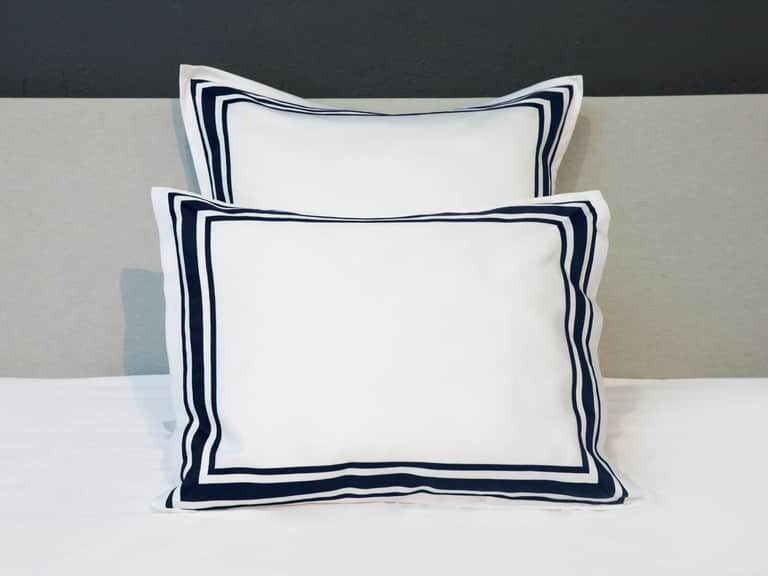
To illustrate product details in this guide, we highlight the Tivoli Sham as a tangible example of high-quality percale bedding, crafted in Italy from 100% extra-long-staple cotton sateen. While the Tivoli Sham itself is a sateen piece, it demonstrates the premium standard you might expect across European textile craftsmanship when choosing coordinating percale sheets. The Tivoli line showcases meticulous finishing, including inside sateen ties to secure duvets, and a clean knife-edge finish that complements the percale’s crisp aesthetic when paired with a duvet cover in a coordinated bedding set.
Product Spotlight: Tivoli Sham
A premium example of Italian craftsmanship, the Tivoli Sham is 100% extra long-staple cotton sateen woven at 300 thread count. It features a simple hem and knife-edge finish, with inner ties to attach the duvet fill securely. Though not a percale sheet, it represents the level of quality you might expect from premium bedding ranges and helps anchor conversations about coordinating textures and finishes in your sleep space.
Price: 215.00
Care: Machine wash lukewarm, gentle cycle; tumble dry low; warm iron; avoid bleach.
Care and Maintenance Insights
Organic cotton percale sheets respond well to regular washing to maintain a crisp feel. Use gentle detergents free from harsh chemicals, and avoid fabric softeners that can coat fibers and reduce breathability over time. Dry on a low heat setting to minimize shrinkage and improve longevity. For best results, iron on a warm setting if you prefer a pristine finish, though many people prefer the naturally crisper texture of percale without ironing.
A Note on Accessibility and Inclusivity in Sleep Content
The information in this guide aims to be accessible to a broad audience, including caregivers, parents, students, and educators. Clear language, practical tips, and a focus on evidence-based guidance are prioritized to ensure readers at varying levels of sleep science interest can benefit. We encourage readers to explore the primary sources behind any claims and to consider the needs of all household members when choosing bedding—especially children and individuals with sensitivities or medical considerations.
To support readers further, this article includes a concise product spotlight and a focus on three key brands, offering a practical way to compare features and plan a purchase. Whether you’re curating a sleep-friendly master suite or outfitting a child’s room for comfort and sustainability, the right organic percale sheets can be a foundation for better rest.
Content Plan and Next Steps
If you’d like, I can draft a detailed content plan (content map with article titles, target keywords, and publishing cadence) or help with branding elements (logo concepts, color palette, and a simple site structure in HTML sitemap). We can also map additional pillar pieces such as “Sleep Basics,” “Routines by Age,” and “Myths Debunked” to reinforce the Sleep Education and Nighttime Routines Hub identity.
Suggested related piece ideas:
- “How to Build a 14-Day Sleep Routine Plan: Templates and Checklists.”
- “Sleep Myths Debunked: Separating Fact from Fiction.”
- “Glossary of Sleep Science Terms: From Circadian Rhythm to Sleep Pressure.”
Published date: September 22, 2026