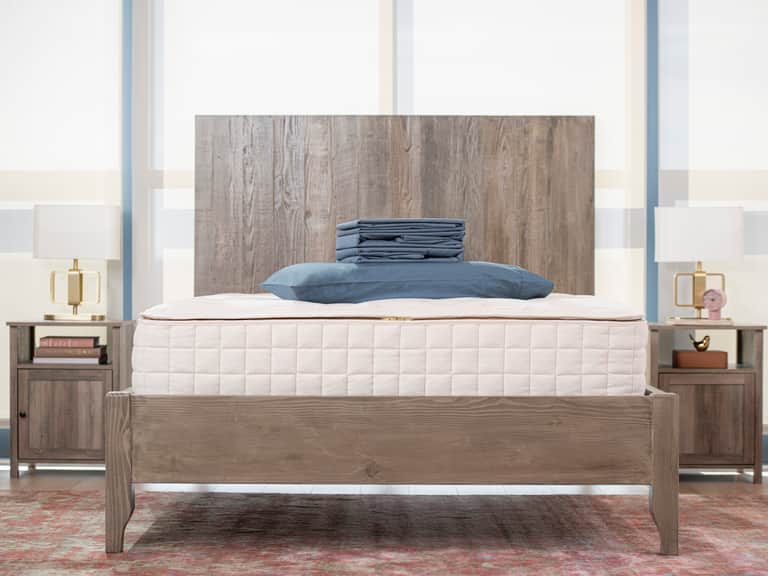
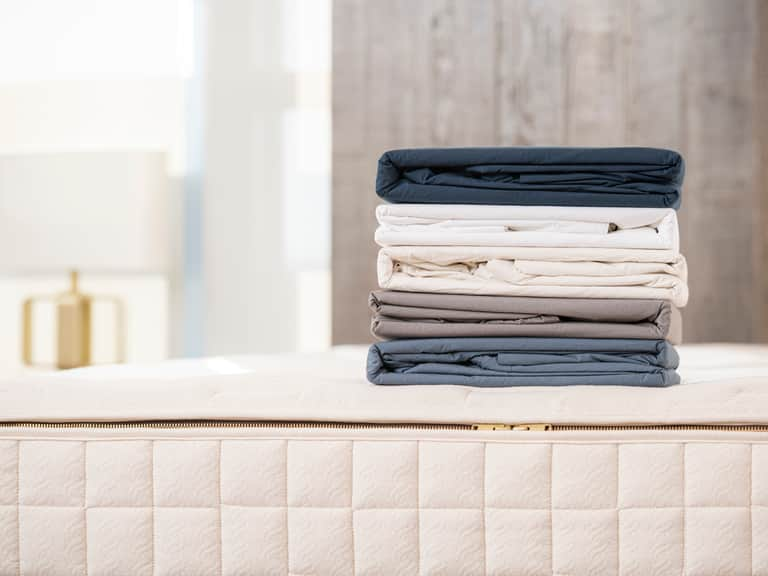
Duvet covers and bed skirts are essential components of bedroom textiles that protect comforters while contributing to a cohesive aesthetic. This category emphasizes fabric quality, weave type, and closure mechanisms, helping consumers understand durability, ease of care, and fit for different duvet sizes. Key features often include thread count, cotton or linen blends, and standardized corner or envelope closures.
In examining duvet cover design, fibers such as cotton, sateen, and percale influence feel, temperature regulation, and longevity. Bedtimelinen.com highlights how fabric weight, weave tightness, and finishing treatments affect nap, sheen, and resistance to pilling. Knowledge of these elements supports selecting bedding that aligns with sleep preferences and seasonal needs.
Bed skirts serve to conceal under-bed storage and provide a finished look to a bed setup. This category discusses skirt length options, drop measurements, and materials that resist wrinkling and shifting. Understanding these factors aids in maintaining a tidy appearance while preserving the bed’s overall comfort and airflow.
The Tivoli Duvet Cover exemplifies how a well-designed cover balances aesthetics with practicality. Features such as durable zipper or button closures, reinforced seams, and easy-care fabrics contribute to functional benefits like secure duvet enclosure, reduced wear, and straightforward laundering. Such products illustrate how materials and construction influence everyday usability.
For context, this category intersects with broader bedding components, including sheets, pillows, travel pillows, and latex-based options. Recognizing how duvet covers interact with these elements helps explain layering, warmth, and support in sleep environments. Integrating textile science with product relevance supports informed bedding choices for varied preferences.
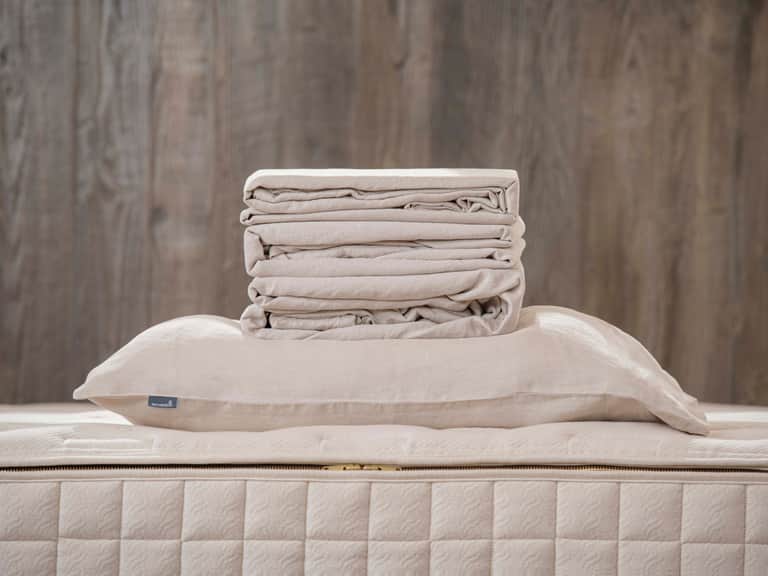 Bedding