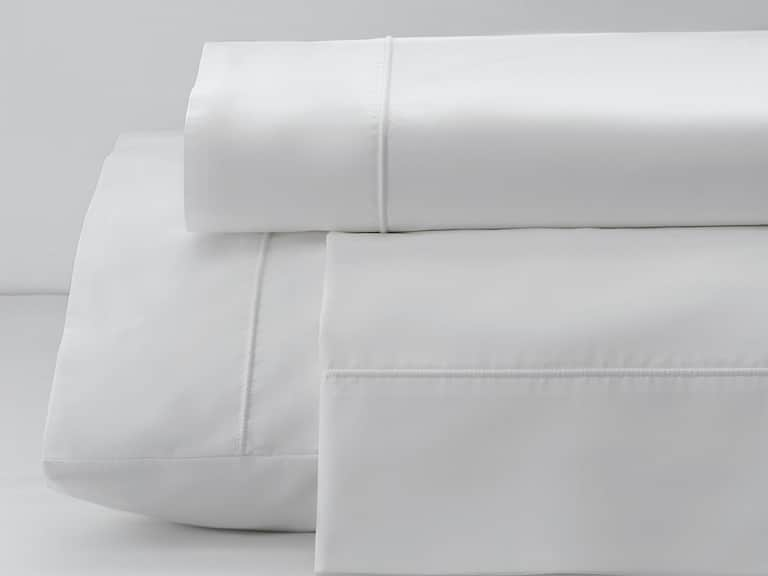
Pillow cases are essential accessories that protect pillows while contributing to sleep comfort and hygiene. They can influence moisture management, allergen control, and overall pillow longevity. Understanding fabric types, thread counts, and closure styles helps align pillow case selection with personal preferences and environmental sensitivities in a bedroom setting.
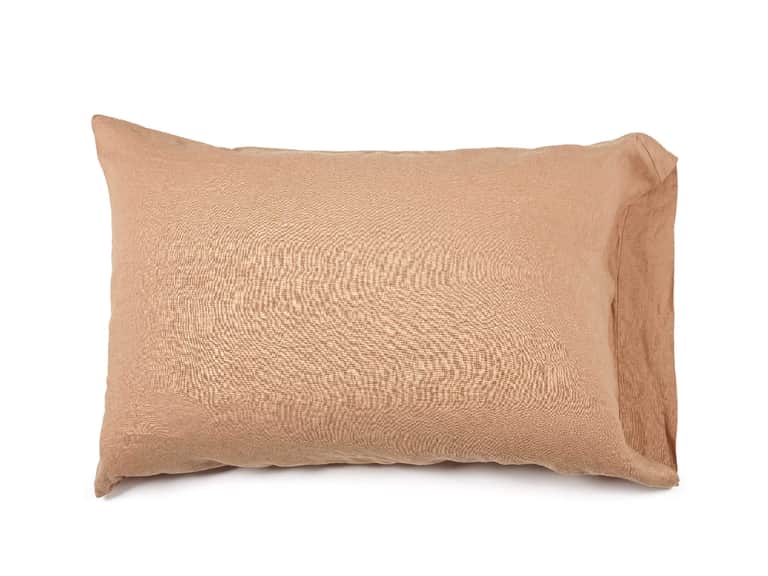
Fabric choices for pillow cases include cotton, linen, silk, and blends, each offering distinct benefits. Cotton provides breathability and softness, while silk reduces friction on hair and skin. Linen offers antimicrobial properties and durability. Considering weave, finish, and care requirements supports long-term usability and consistent sleep quality.
Key features to evaluate include weave (percale vs. sateen), thread count ranges, and fabric finishes such as wrinkle resistance or moisture wicking. Hypoallergenic options may appeal to sensitive users, and easy-care fabrics simplify maintenance. Closure types, such as envelope or zipper, affect fit and pillow stability during rest and movement.
For practical applications, pillow cases like the Madison Pillow-case illustrate how design elements balance comfort and protection. This product typically emphasizes secure closure, breathable fabric, and gentle surface texture to minimize irritation. Functional benefits include pillow longevity, reduced skin and hair friction, and compatibility with diverse sleep positions.
In educational contexts, pillow case selection intersects with bedding systems, nursery needs, and pillow compatibility. Considering material sustainability, care instructions, and compatibility with latex-free or allergy-conscious environments supports informed decisions. Awareness of sizing, environmental impact, and ergonomic considerations enhances overall sleep hygiene within a bedtime routine.
 Bedding