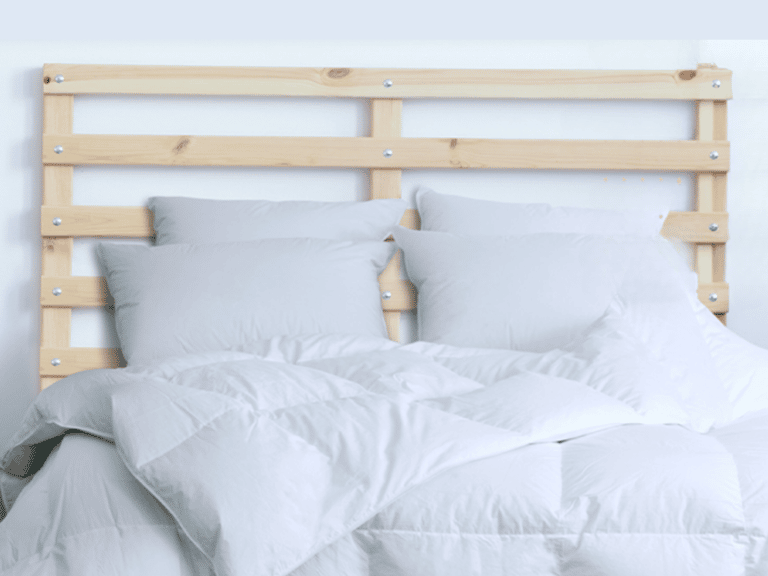
Pillows play a crucial role in regional sleep comfort by supporting alignment, pressure relief, and temperature regulation throughout the night. Understanding pillow types, materials, and fill levels helps identify how to mitigate common issues such as neck fatigue and restless tossing. In bedding discussions, the focus often centers on how pillow firmness and loft interact with sleeping positions to maintain neutral spinal alignment.
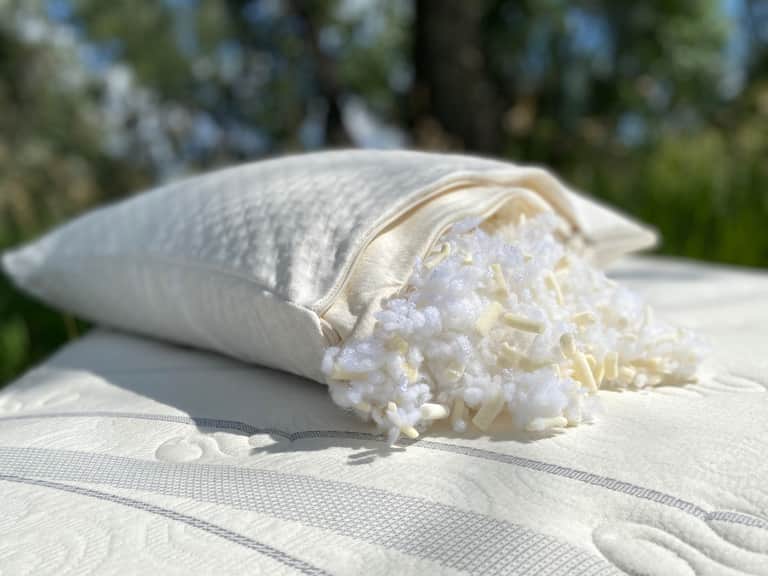
Latex-based pillows, such as the Suite Sleep Shredded Latex-Tencel™ Blend Pillow, combine adaptive support with breathable, moisture-wicking properties. Shredded latex allows customizable loft while Tencel™ fibers enhance cooling and softness. This blend is particularly relevant for sleepers seeking durable resilience without excessive bulk or heat buildup.
The Tack Stripe Pillow (sham) offers a classic pillow silhouette complemented by a supportive core and a decorative cover that aligns with traditional bedding aesthetics. Its design emphasizes balanced support for sides and back sleepers, while maintaining a tidy profile. These attributes contribute to steady head and neck positioning during sleep cycles.
When evaluating pillows for sleep quality, consider core materials, loft adjustability, and cover technology. Latex-filled options tend to resist flattening over time, supporting long-term comfort. A pillow’s compatibility with different sleep positions—back, side, or stomach—provides insight into expected knee-to-head alignment and relief from shoulder strain.
Key keywords to integrate into category insights include bedding, sheets, pillows, travel pillows, and latex, reflecting the broader ecosystem of sleep textiles. By examining product features such as shredded latex fill, Tencel™ blends, and pillow silhouettes, readers gain a clearer understanding of how pillow selection affects nighttime rest, comfort, and overall wellbeing.
 Bedding