Bedroom furniture encompasses a range of essential items designed to support restful sleep and organized living spaces. This category highlights how pieces such as nightstands, dressers, and bed frames contribute to room layout, light management, and bedside accessibility. Understanding material choices, construction quality, and ergonomic design aids in selecting lasting solutions for calm, functional bedrooms with coordinated aesthetics.
Key features to consider include dimensions, storage options, and materials that influence durability and comfort. For example, bedside tables often combine drawers and open surfaces to balance accessible storage with surface space for lighting or devices. Material finishes—from wood veneers to solid hardwoods—affect both appearance and wear resistance in morning routines and late-night reading rituals.
In this category, emphasis is placed on how bedroom furniture supports organization and daily usability. Functional benefits such as drawer depth, soft-close hardware, and stable legs enhance reliability, while streamlined silhouettes promote easy alignment with existing beds and wardrobes. Proper scale and proportion ensure air flow and visual harmony within compact or expansive rooms.
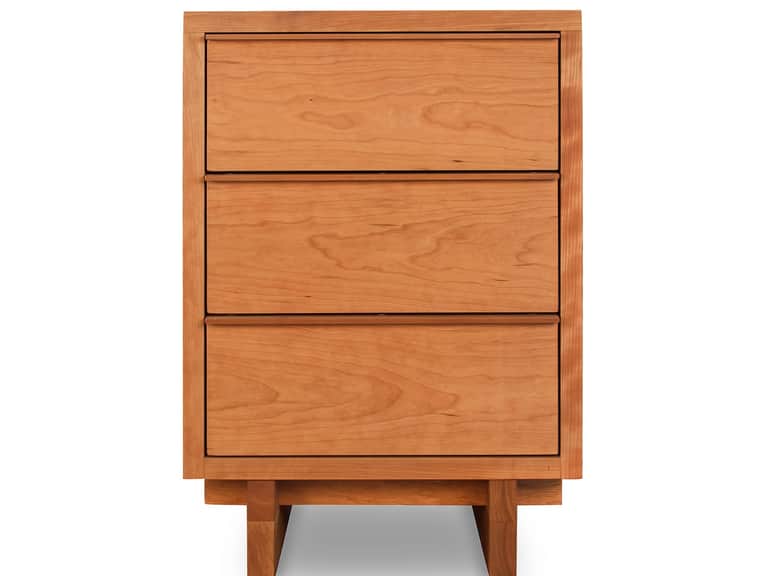
The Kipling 3-Drawer Nightstand exemplifies practical bedside storage with a clean profile and easily accessible drawers. Its design offers concealed storage for essentials, a stable surface for lamps, and a foundation that complements various bedframes. Such pieces illustrate how thoughtful construction integrates practicality with quiet, timeless aesthetics.
Associated concepts include bedding, pillows, sheets, and latex-focused materials that influence sleep quality and comfort. While nursery furniture shares some overlap, bedroom furniture prioritizes adult-sized storage needs, legibility in layout, and durability under daily use. Understanding these relationships helps consumers plan cohesive sleep environments and long-term room resilience.
 Furniture
